
"Arabian coffee trees"
1000 article(s) found

A brief introduction to the production of Coffee beans
A coffee tree can harvest 3-5 kg of fruit, and raw coffee beans account for 1. 5% of the fruit quality. Going from fruit to raw coffee beans is really a time-consuming and laborious task. The production process of coffee beans Arabian coffee, robusta coffee and Libaria Arabian coffee account for about 2% of the world's coffee production. The plant is not suitable for high temperature, low temperature, more rain and less rain. Coffee beans are

Three original species of coffee Arabica,Robusta,Liberica
The small seed species of the three original species of coffee are Arabica, the medium grain species are Robusta, and the large grain species are Liberica family and genus: Rubiaceae Coffea small seed also known as Arabian species, medium seed species also known as Robsta species, and large seed species also known as Liberika species, there are mainly two common species: Arabica and Robusta. Coffee is rich in protein, fat, sucrose and lake.

The ancient flavor of Yemeni coffee is the oldest coffee in the world. Is Yemeni coffee good?
Professional coffee knowledge exchange more coffee bean information please follow the coffee workshop (Wechat official account cafe_style) [Preface] Yemen is located in the southwestern tip of the Arabian Peninsula, adjacent to Saudi Arabia and Oman, bordering the Red Sea, the Gulf of Aden and the Arabian Sea. Yemeni mocha coffee is the oldest coffee in the world, and Yemen is one of the first countries in the world to grow coffee. It is said that as early as AD 15,
Basic knowledge of coffee from fruit to raw coffee beans
A coffee tree can harvest 3-5 kg of fruit, and raw coffee beans account for 1. 5% of the fruit quality. Going from fruit to raw coffee beans is really a time-consuming and laborious task. Arabian, Robusta and Liberian Arabian coffee account for about 2% of the world's coffee production. The plant is not suitable for high temperature, low temperature, more rain and less rain. Coffee beans are oval and flat, with high quality

The basic concept of Coffee that must be known about Coffee
First, know coffee 1, what is coffee (scientific name: Coffea arabica) also known as coffee tree, Arabica coffee, etc., is the national flower of Yemen. Before the 6th century AD, Yemen was called Arabian, so the coffee trees shipped from them to other places were also called Arabian coffee trees. The name coffee comes from the Arabic Qahwah, which means plant drink.
Is Rwandan coffee suitable for washing? how does Rwandan coffee taste?
Later, batches of slaves were sold from Africa to Yemen and the Arabian Peninsula, and coffee was taken everywhere along the way. To be sure, Yemen started growing coffee in the 15th century or earlier. Although Arabia had the busiest port city in the world at that time, it banned the export of any seeds. This barrier was finally broken through by the Dutch, and in 1616, they finally

Introduction of Indonesian Coffee Flavor of Indonesian Coffee
Coffee that makes you feel refreshed and ready to drink. Coffee is produced throughout Indonesia (Indonesia), and Java occupies an extremely important position in coffee history. In the mid-17th century, coffee trees were introduced to Indonesia by the Dutch (some official sources believe that earlier). The first batch of coffee from Java was sold to Amsterdam in 1712. However, in 1877

Introduction to the taste production areas of Ecuadorian coffee varieties treated with grinding scale
Ecuador is the highest Arabian coffee plantation in the world. Since the coffee tree was first introduced into Ecuador in 1875, the quality of its coffee has remained unchanged for 100 years, especially the coffee harvested in early June every year, which is known as the best coffee in the world. Ecuadorian coffee beans are divided into Galapagos and Segante, both of which have large particles and heavy weight.

Boutique Coffee the basic concept of coffee that must be known about coffee
First, know coffee 1, what is coffee (scientific name: Coffea arabica) also known as coffee tree, Arabica coffee, etc., is the national flower of Yemen. Before the 6th century AD, Yemen was called Arabian, so the coffee trees shipped from them to other places were also called Arabian coffee trees. The name coffee comes from the Arabic Qahwah, which means plant drink.

Introduction to the characteristic Variety producing areas of the Flavor description treatment method of Hassanda Coffee Garden in Ecuador
Ecuador is the highest Arabian coffee plantation in the world. The Arabian Coffee Tree was first introduced to Ecuador in 1952 and its coffee is of good quality, especially the coffee harvested in early June. Ecuadorian coffee beans can be divided into two varieties: Galapagos and Gigante, both of which have the characteristics of large particles, heavy weight, balanced acidity and rich aroma. Er
Introduction to the shape and flavor characteristics of Yunnan small-grain coffee producing area
Following Cafe Review (Wechat official account vdailycom) found that the fine cafe opened a small shop of its own [scientific name] the small seed is Coffea arabica L., the medium seed is Coffea canephora, the large seed is Coffea liberica family: Rubiaceae Coffee is also called Arabian species, the medium seed is also known as Ganfla species, and the large seed is also called Liberian species.

Understand Arabica Coffee how to make Arabica Coffee Culture
Professional coffee knowledge exchange more coffee bean information please follow the coffee workshop (Wechat official account cafe_style) Arabian coffee history: the origin of coffee legend came from the shepherds of Ethiopia, and then spread to the Arab countries, but according to historical data about the eighth century AD the leaves of the Arabian Peninsula and Ethiopia across the Red Sea have a record of trade, and at this time there are also records of trade in Yemen.

Introduction of planting flavor in Uganda boutique coffee bean producing area
Uganda boutique: Uganda Bugishu AA.... The East African Great Graben (Rift Valley) connects Lake Weidoria with Mount Elgon, which is a famous and important boutique coffee belt in East Africa. The eastern side of Mount Elgon is one of the important coffee producing areas in Kenya, while the western side of Mount Elgon, the western highland on the Ugandan side, also produces great coffee. This area is Bugishu! Bugi

Description of Flavor of Yunnan small-grained Coffee Huaguoshan Flavor introduction to the characteristics of varieties producing grindness
The small seed species are also called Arabian species, the medium seed species are also called Ganfla species, and the large seed species are also called Liberian species. There are two common species: Arabica and Robusta. Coffee is rich in protein, fat, sucrose, starch, caffeine and other substances. after being made into a beverage, coffee is rich in aroma, delicious taste and rich nutrition, so it has become the world's three major beverages composed of tea and cocoa.
Boutique coffee beans: the growth process of coffee beans in-depth understanding of the principle of coffee
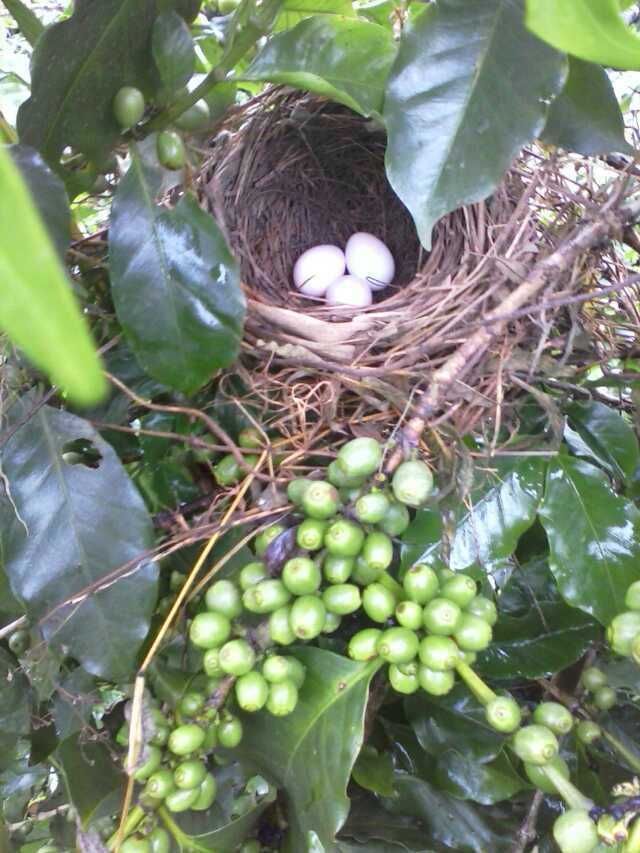
A coffee tree can harvest 3-5 kg of fruit, and raw coffee beans account for 1. 5% of the fruit quality. Going from fruit to raw coffee beans is really a time-consuming and laborious task. Arabian, Robusta and Librian Arabian coffee account for about 2% of the world's coffee production. The plant is not suitable for high temperature, low temperature, more rain and less rain. Coffee beans are oval flat and have a high height.
Global coffee producing area-Reunion
In 1715, the first coffee trees (about 40) were transported from the Yemeni port of Moka to LaReunion, but unfortunately only two survived. By 1719, coffee plantations had begun to flourish and the first coffee beans were sold. Over the next few years, the government took a hard measure: the islanders, black and white, had to plant 100 coffee trees a year. The law of 1723
The coffee producing area of Reunion.
In 1715, the first coffee trees (about 40) were transported from the Yemeni port of Moka to LaReunion, but unfortunately only two survived. By 1719, coffee plantations had begun to flourish and the first coffee beans were sold. Over the next few years, the government took a hard measure: the islanders, black and white, had to plant 100 coffee trees a year. The law of 1723

The characteristics of Reunion Coffee
In 1715, the first coffee trees (about 40) were transported from the Yemeni port of Moka to LaReunion, but unfortunately only two survived. By 1719, coffee plantations had begun to flourish and the first coffee beans were sold. Over the next few years, the government took a hard measure: the islanders, black and white, had to plant 100 coffee trees a year. The law of 1723

Global coffee producing area-Reunion
In 1715, the first coffee trees (about 40) were transported from the Yemeni port of Moka to LaReunion, but unfortunately only two survived. By 1719, coffee plantations had begun to flourish and the first coffee beans were sold. Over the next few years, the government took a hard measure: the islanders, black and white, had to plant 100 coffee trees a year. The law of 1723
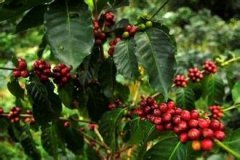
Origin of mocha coffee origin of mocha beans Yemeni coffee origin
Coffee beans from coffee hometown. Before the 6th century AD, Yemen was called Arabia, so coffee trees shipped from Yemen to other places were also called Arabian coffee trees. But the origin of these trees is Ethiopia, and the Dutch spread these coffee trees around the world. Dutch businessmen sailing eastward around the Cape of good Hope (TheCapeOfGoodHope)